

Bet you thought with the timing of the release of this month’s dropbox (on Halloween) and these notes that there might be a holiday theme to the drop box. No such luck. What there is this month, with this latest version of the drop box, is another month of really good music. Rarely does the wave of good tunes extend past September. Historically, October and November begin the Christmas music season and often signals a time of year that is littered with greatest hits and anthology albums, Christmas albums (I kid you not, Bad Religion has a Christmas Album that is as terrible as it sounds. Filled with traditional songs sung in the style of Bad Religion – brutal) and those artists who are not on major labels. The “major labels” (whatever those are now) have already released their biggest albums of the year, e.g. Lady Gaga, Kanye, etc. to time their sales for Christmas shoppers desperate for a gift for someone whom they think will like the album they purchased for them and invariably, they do not. At least in the pre-digital age, when you ended up with the Bee Gees greatest hits vinyl, you could always return it for the latest KISS album.
Not only is this month’s drop box filled with some really good records, but what is most striking about this month is the diversity of the releases – from the Clash to Cassadee Pope – you should find something appealing as you begin the holiday season. Consistent with the release schedule of the major labels, the large number of reissues and anthologies has produced several worthy of inclusion in the drop box. I have selected a couple of these to introduce the band or the record to those of you whom likely have never heard of these artist, such as the Undertones and Public Image Limited.
After speaking with Russell last week about the diversity of musical styles, and for those of you who care about these things, there is a pattern that has developed over the past several months. If you scroll back through the notes, I have tried each month to provide something old, something, new something pink and something blue in each dropbox. This month there are a few extra oldsters that made the box.
So, with that said, lets introduce a few that made it:
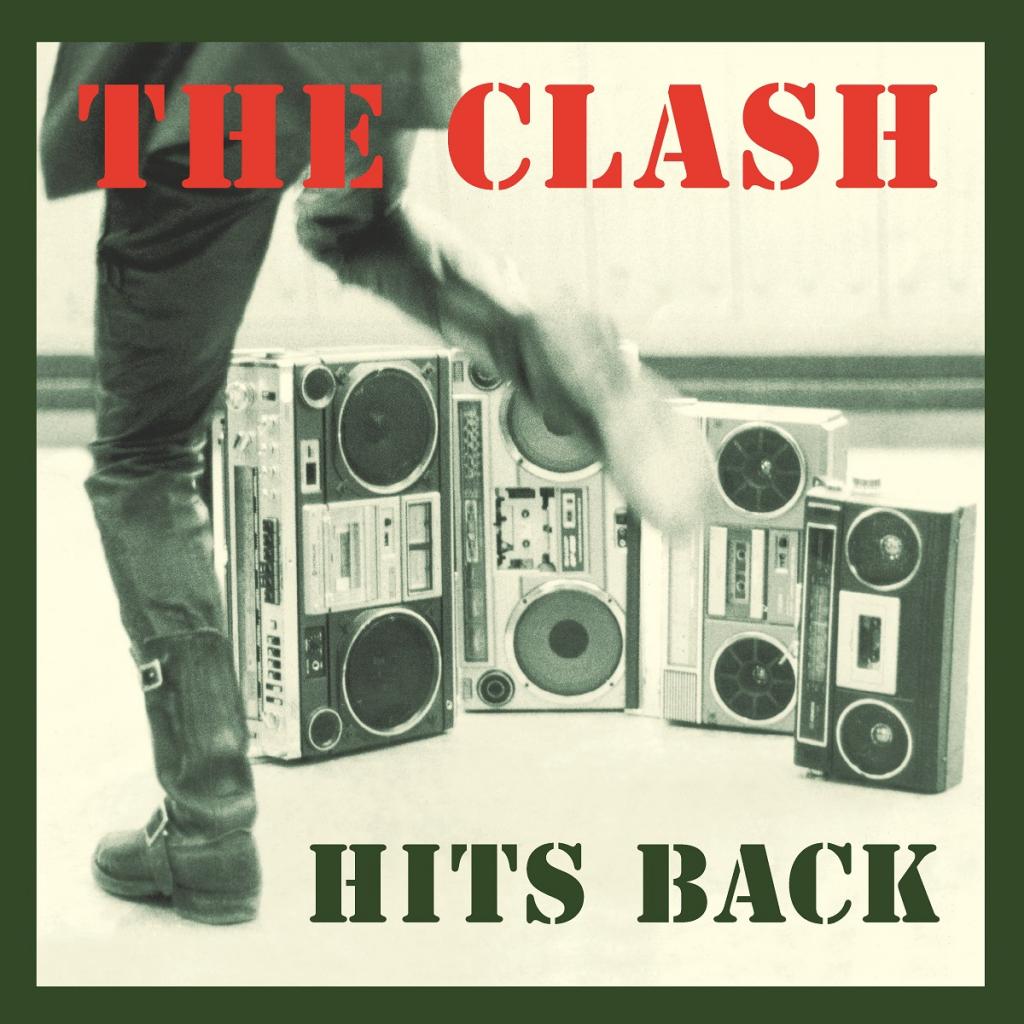
The Clash Hits Back is of interest, not only for the upgraded re-mastering of classic Clash songs making them sound much closer to what the records sounded like on vinyl – raw and vital, but also for the sequencing of this two disc set. The Clash Hits Back is sequenced almost exactly as the set played by the band at the Brixton Fair Deal (now the Academy) on 10 July 1982. The place apparently held a special place for the Clash according to bassist Paul Simenon who was responsible for the Hits Back and Sound System projects. I was able to see the Clash play in Vancouver at the Commodore Ballroom (January 31, 1979) at the peak of their powers. When you scan the set list for this show it is amazing – essentially a greatest hits album from the first song to the last. I have a bootleg of this show, unfortunately an audience recording, but you can hear the energy of the crowd and the band as they ripped through these songs. Strummer was a master at timing the emotions of the crowd in response to the songs. I’m not going to make song picks here. This is perfection.

Drawing from not only punk and new wave but also pop and northern soul, the Undertones represented a very distinct branch of the new wave movement from 1979. Hugely popular in England and Ireland and a large following in Canada, they didn’t connect with the U.S. as many a band who tried to break in to the U.S. market largely failed. I note that even the Clash had difficulty early on only finding success when the band was nearing the end of its initial run. People think the Clash’s London Calling was a huge record. Although now it is considered by many as one of the greatest albums of all time, it peaked in the U.S. Billboard charts at number 27 in 1980 (released in the U.S. on January 18, 1980), and did not reach RIAA gold certification until December 4, 1991, almost 11 years later.
So back to the Undertones. What made the Undertones so unique, and unlike Stiff Little Fingers, was despite the time and place of their formation (during the “Troubles” in Northern Ireland) the songs are focused on love, teen angst, and youthful exuberance. It is difficult not to smile when you hear the catchy pop-punk singles of this unique sounding band that incorporated a wide range and diverse number of influences. UK radio DJ John Peel’s favorite song of all time was “Teenage Kicks” which is hard to argue as the best in the Undertones catalog but for me, on Introducing the Undertones, “Hypnotized,” “Here Comes The Summer,” and the Motown influenced “The Love Parade” do nicely.

From the band name, Public Image Limited, to the songs on this record, First Issue is a deliberate attempt to exorcise the taste of the Sex Pistols from Lydon’s psyche. The album is a direct slap at Malcolm McLaren and the lyrics, in part, are directed to the bitterness Lydon felt towards the manipulation by McLaren in creating the infighting and tension that lead to the demise of the band. This back story to the record puts songs like “Public Image” and its wry observations such as “[y]ou never listened to a word that I said/ you only see me for the clothes that I wear” in context. There is nothing like psychological pain to inspire brilliance.
Listening to this album more than 35 years after its original release, the songs now sound akin to present day rock, but at the time, this sound was revolutionary. Jah Wobble’s thumping baseline expanded the sonic template for guitarist Keith Levine’s grind and the union of these divergent sounds exposed the underbelly of rock – in a very exciting way. This reissue of First Issue also includes a Lydon interview and the b-side “The Cowboy Song” which is really a true b-side, as this song leans more towards noise punk. First Issue is at it’s heart anti-rock created by a guy who hated conventional rock and roll. First Issue was a dangerous record in 1978, and frankly, it still is. Try “Public Image”, “Low Life,” and “Annalisa.”

So, why was The Hurting so special? The vocal qualities of Roland and Curt over top of the sly synth-pop disguised the serious nature of the lyrical content on the album. It is difficult to reconcile the subject matter on songs like “Mad World,” “Pale Shelter” and “Suffer The Children” with the dance music underlying these lyrics. e.g. from “Pale Shelter”: “[y]ou don’t give me love/ you give me pale shelter/ you don’t give me love/ you give me cold hands…” Remarkably, this album found a niche with the Cure loving Goth kids who adopted the band as an alternative to the dower Cure who had left the comparatively upbeat song craft found on their debut Three Imaginary Boys for the post punk of Seventeen Seconds, Faith, and Pornography – three of the darkest records in the Cure discography. Tears For Fears looked like Goth’s, and the dark lyrical content fit within the Goth world, but The Hurting is filled with remarkable pop songs and TFF were definitely not a Goth band, so this anomaly possibly lead to increasing importance and popularity which TFF later capitalized upon commercially. Try “Change,” “Suffer The Children (7’’ version),” and “Pale Shelter.”


October also had some new releases worthy of a few lines:
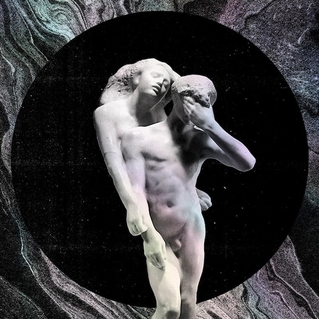
There is nothing on this record that would signal conventional hit record. The songs are lengthy, and like the National song structures, build to crescendo and upon the reaching that sonic peak, explode into smaller yet no less interesting waves. The songs don’t attack you, but rather flow like water, not a gentle stream, but like the ocean… and that is the magic in this record. The songs are constructed in such a way to give you the feeling that you are floating within each song. You float and consequently the need for instant gratification typical of most pop songs i.e. the chorus, is no longer a necessity. This record would make for a long sweaty night in a nightclub and I can envision the endless remix possibilities. Finally, there is a rhythmic awareness on this record unlike any other Arcade Fire record. It is impossible not to listen to this record with a foot tap. Songs like “We Exist” and Here Comes The Nigh Time” are prime examples of this new approach with interesting rhythms propelling the songs and the Win Butler’s vocals weirdly hovering in these rhythms. Try “We Exist, “Normal Person,” and “Afterlife.”


An Aside: Pitchfork has like many a blog, evolved over the years. As it attempts to monetize its blog, after all who writes this stuff for free, there has been subtle, but noticeable change in the review content. Sure, there is still an attempt to review nearly everything released, but in the last year, there is major label creep. I note the positive reviews of Katy Perry (I agree with the review), Kanye West (9.5 for largely an average and uninspired record. Note: Hype does not make a record good. The test, as always is time, and I can think of no time where I would play this more than the few times I tried to listen to this record), Drake (8.6), Janelle Monae (8.3) etc. The point here is that Pitchfork is shifting its focus to try to be popular, i.e. increase readership, which by no means is a bad thing, but at what expense? Since, the focus of the dropbox is always only on things I personally like, I do not offer or pretend to offer criticism, only information. Hopefully it’s relevant and interesting. If not, let me know. I’ll do better. So, back to the point of this aside – Pitchfork is becoming less relevant as a place to read valid criticism because it has lost its focus – it is not Spin or Rolling Stone and it shouldn’t try to be. Rather, Pitchfork’s best asset was always information – exposure to unique sounds and artists. This I feel is what it has lost.
Now, back to the program:
Dandy Warhols’ leader and rock savant Courtney Taylor-Taylor, has produced an interesting and yes, different, Dandy Warhols record. The secret on This Machine is the Dandy’s capacity to move the listener by changing the sonic direction of each song. The strength of the Dandy Warhols has always been the capacity to sonically fuse pychedelia to indie rock, and that is accomplished here is spades. Perhaps, Pitchfork doesn’t like the ethereal vocals, noticeable present on “The Autumn Carnival,” or the straightforward Cramps sound of “Enjoy Yourself” but in the main, I was pleasantly surprised by both the depth and variety of the songs. Sure, there is not the vigor of youth present in Taylor’s vocals, but maturity should not be taken for merely going through the motions. Also, nothing on This Machine approaches the level of craftsmanship found on the first three DW records, but, for most bands, it is difficult to get one great record let alone three, and on album eight it is refreshing to see a band not traipsing around the same sound with little thought to creating something new. This record works because it demonstrates range, uncompromising quality, and the songs still fit the band. Sure there are a few missteps, such as the cover of Merle Travis’ “Sixteen Tons,” but overall a very good record. Try “I Am Free,” “Rest Your Head,” and “Sad Vacation.”

If you’ve been following the dropbox for the past couple of years, then you are likely aware that when I like a record I become a fan of the band and so, when something new appears, I am eager to give it a listen. Such is the case this month with some great new tunes from some past offenders:

So, until I can get to an update, here is the list:
- Dirtbombs – Consistency Is the Enemy [2013]
- Fuzz – Sunderberry Dream EP [2013]
- Fuzz – Fuzz [2013]
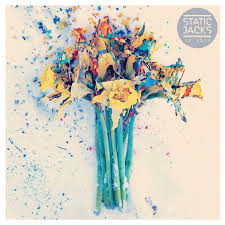
- Static Jacks – In Blue [2013]
- Cage the Elephant – Melophobia [2013]
- Public Image Ltd. – First Issue (Reissue) [2CD] [2013]
- Cassadee Pope – Frame By Frame [2013]
- Electric Six – Mustang [2013]
- Undertones – An Introduction to the Undertones [2013]
- Panic! at the Disco – Too Weird to Live, Too Rare to Die! [2013]
- Andrew Belle – Black Bear [2013]
- Chris Stamey – Lovesick Blues [2013]
- Fratellis – We Need Medicine [2013]
- Teen Agers – I Hate It [2013]
- Tears for Fears – The Hurting [30th Anniversary Deluxe Edition] [2013]
- William Beckett – Genuine and Counterfeit [2013]
- AFI – Burials [2013]
- Arcade Fire – Reflektor [2CD] [2013]
- Best Coast – Fade Away EP [2013]
- Dandy Warhols – This Machine [2013]
- Dirty Projectors – Offspring Are Blank EP [2013]
- Fall Out Boy – Pax-Am Days EP [2013]
- Future of the Left – How to Stop Your Brain in an Accident [2013]
- Gaslight Anthem – 45 RPM Club (7”) [2013]
- Clash – Hits Back [2CD] [2013]
- Cass McCombs – Big Wheel and Others [2013]
- Control – Ballad of The Working Man [2013]
- Cult Of Luna – Vertikal II (MCD) [2013]
- Cults – Static [2013]
- Death Cab for Cutie – Transatlanticism Demos [2013]
- Echosmith – Talking Dreams (Deluxe Special Edition) [2013]
- Kurt Vile and The Violators – It’s A Big World Out There (And I Am Scared) EP [2013]
- Los Campesinos! – No Blues [2013]
- Ocean Party – Split [2013]
- Papa – Tender Madness [2013]
- Polica – Shulamith [2013]
- Rude Tins – State Of Flux [2013]
- Crystal Antlers – Nothing Is Real [2013]
- Drag the River – Drag the River [2013]
- Kickdrums – Thinking Out Loud [2013]
- Mutual Benefit – Love’s Crushing Diamond [2013]
- Parlotones – Stand Like Giants [2013]
- Velojet – Panorama [2013]
- Unwound – Kid Is Gone [2013]
- Sleigh Bells – Bitter Rivals [2013]
- Polly Scattergood – Arrows [2013]
- Royal Bangs – Brass [2013]
- Phosphorescent – Muchacho de Lujo [2013]
- Wolf & Cub – Heavy Weight [2013]
- Eminem – The Marshall Mathers LP 2 [2013]